



Early Signs of Tinnitus You Shouldn’t Ignore
Audiology Care in Red Bank, NJ
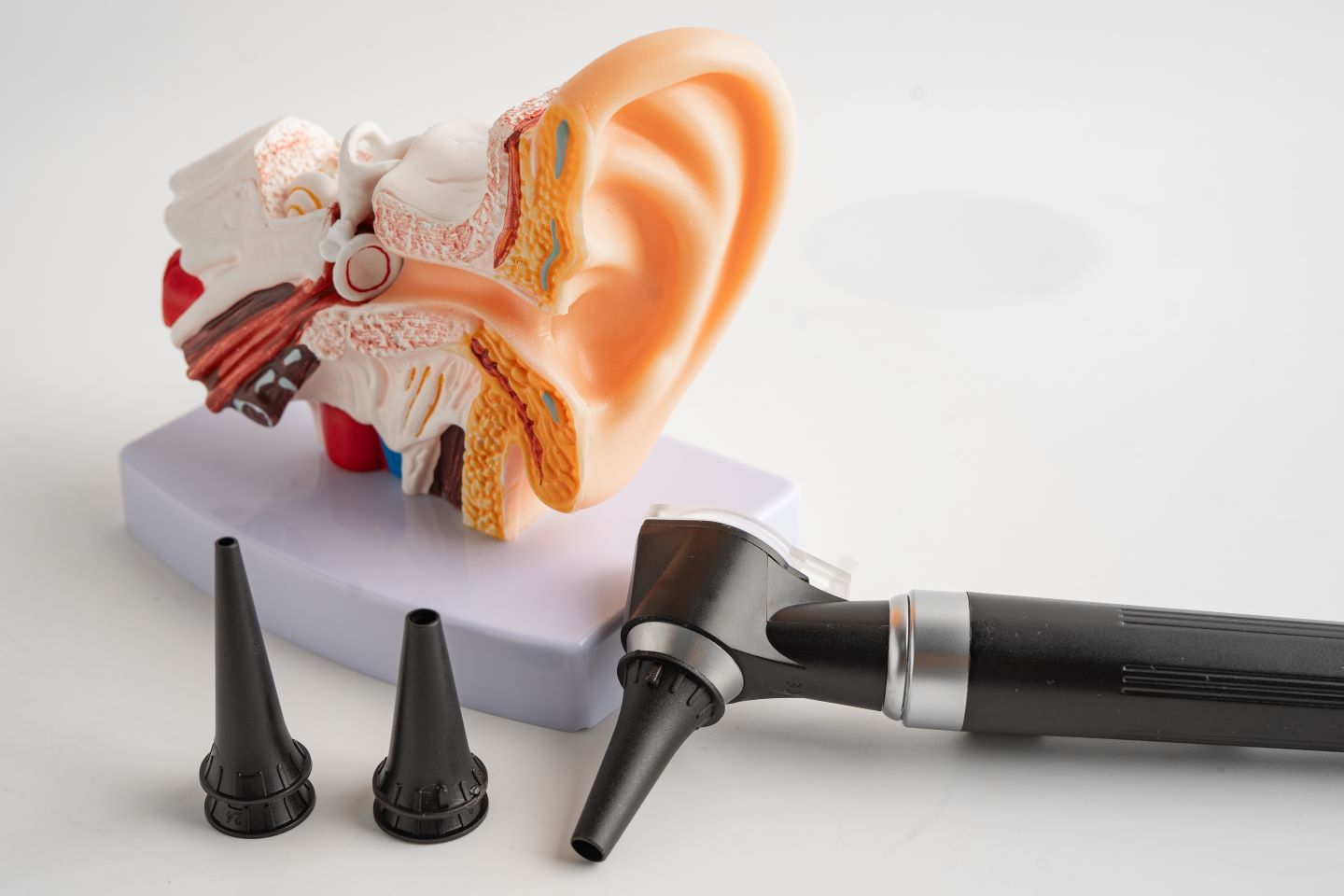
Tinnitus is more than just a ringing in the ears. It is a brain-based condition that can affect focus, sleep, and overall quality of life. Many adults notice the first signs of tinnitus gradually, often dismissing the symptoms as temporary or minor. Recognizing these early signs is key to seeking timely evaluation and care.
What Is Tinnitus? Understanding Ringing in the Ears
Tinnitus involves perceiving sound when no external source is present. This can appear as ringing, buzzing, humming, or whooshing noises. While it may seem like the sound comes from the ears, the real source is in the brain. When hair cells in the inner ear are damaged by aging, noise exposure, or other factors, they send irregular signals to the brain. The brain then attempts to interpret these incomplete messages, essentially “filling in the blanks” with sound. This is what creates the perception of tinnitus.
Tinnitus is not a single condition. Its severity, persistence, and type of sound can vary widely from person to person. Some experience occasional ringing, while others have constant or worsening symptoms that impact daily life.
Early Signs of Tinnitus to Watch For
Understanding the early signs of tinnitus can help you seek care before symptoms become more disruptive. Common warning signs include:
- Persistent Ringing or Buzzing in the Ears
Often noticed in quiet environments or at night. - Sensitivity to Everyday Sounds
Sounds that were once comfortable may suddenly feel louder or sharper. - Difficulty Concentrating Due to Ringing in the Ears
Phantom sounds can make it harder to focus on work, reading, or conversations. - Ear Fullness or Pressure
Some people feel a sensation similar to ear blockage or the pressure changes experienced during flights. - Sleep Disturbances from Tinnitus
Persistent ringing can interfere with falling asleep or staying asleep. - Stress and Anxiety Related to Tinnitus
Increased emotional strain may occur as the brain attempts to filter or ignore the phantom sounds.
How the Brain Contributes to Tinnitus Perception
Tinnitus is not solely an ear issue. The brain plays a central role in how we perceive and respond to sound. When the brain receives reduced input from the ears, it can focus more on missing sounds, amplifying the perception of tinnitus. Stress and anxiety can intensify this effect, making the sound seem louder or more persistent.
Understanding that tinnitus is brain-based highlights why personalized evaluation is essential. It is not just about masking the sound, but retraining the auditory system to manage the perception effectively.
Common Tinnitus Causes Adults Should Know
Several factors can trigger tinnitus. Age-related hearing loss, extended exposure to loud environments, ear infections, or certain medications can contribute. Health conditions like high blood pressure, diabetes, or circulation issues may also play a role. Even temporary ear blockages, such as wax buildup, can trigger symptoms. Identifying the underlying cause early allows for targeted strategies to manage and reduce tinnitus.
Tinnitus Evaluation and Treatment Near Me at NeuroHear
At NeuroHear in Red Bank, New Jersey, Dr. Ina Selita takes a comprehensive approach to tinnitus care. Your first visit will include a detailed review of your symptoms, lifestyle, and how tinnitus affects your daily life. Advanced testing evaluates both how your ears and your brain process sound.
From there, Dr. Selita works with you to develop a personalized care plan. This may include sound therapy, hearing aids, stress-reduction techniques, or referrals to other specialists if needed. The goal is to help you manage tinnitus effectively and improve your quality of life.
Why Early Action for Tinnitus Matters
Many adults ignore early signs of tinnitus, assuming it is temporary or minor. However, early evaluation provides a clearer understanding of what is happening in your auditory system. It also allows you to explore strategies for relief before symptoms worsen or interfere with sleep, focus, or daily activities.
Schedule a Tinnitus Consultation in Red Bank, NJ
If you have noticed ringing, buzzing, or other unusual sounds in your ears, it is important not to wait. Scheduling a consultation with NeuroHear allows Dr. Ina Selita to provide a thorough evaluation and guide you toward solutions tailored to your needs. Early action can make a significant difference in managing tinnitus and preserving your hearing health. Call NeuroHear today to book your appointment and take control of your auditory well-being.

Dr. Ina Selita is a licensed Doctor of Audiology and the founder of NeuroHear. With a background in neuroscience research at NYU and Johns Hopkins, she integrates brain-based insights into hearing care to support long-term communication and cognitive health. Her work has been published in the Journal of Neurophysiology and presented at major international conferences. Dr. Selita’s approach combines advanced diagnostics, patient education, and compassionate care to help individuals and families stay connected through every stage of life.



Start Your
Journey
Today. Request a Consultation.
What if your hearing helped you think faster, connect deeper, and stay ahead? We treat hearing with an ongoing lifestyle system, not a one-time diagnosis.