



Rebuilding Listening Confidence After Hearing Loss
Audiology Care in Red Bank, NJ

Hearing loss does not just affect how well your brain hears and processes sounds – it can change how confident you feel in conversations, social settings, and everyday life. Many people describe a gradual loss of ease when listening. They may start avoiding group conversations, asking others to repeat themselves less often, or feeling mentally exhausted after social interactions.
At NeuroHear, we often remind patients that hearing loss is not only a sensory change, it is also an emotional and cognitive experience. Rebuilding listening confidence is a process, and with the proper support, it is absolutely achievable.
How Hearing Loss Impacts Confidence
Listening confidence is the trust you have in your ability to understand what is being said without constant effort or uncertainty. When hearing becomes less clear, that trust can erode over time.
Common experiences include difficulty following conversations in noise, anxiety about mishearing important information, and frustration when communication feels effortful. Over time, these challenges can lead people to withdraw socially, even when they do not consciously realize it is happening.
This loss of confidence is not a personal failure. It is a predictable response to changes in auditory input and brain processing. Understanding this is the first step toward rebuilding confidence.
Why the Brain Plays a Role in Listening
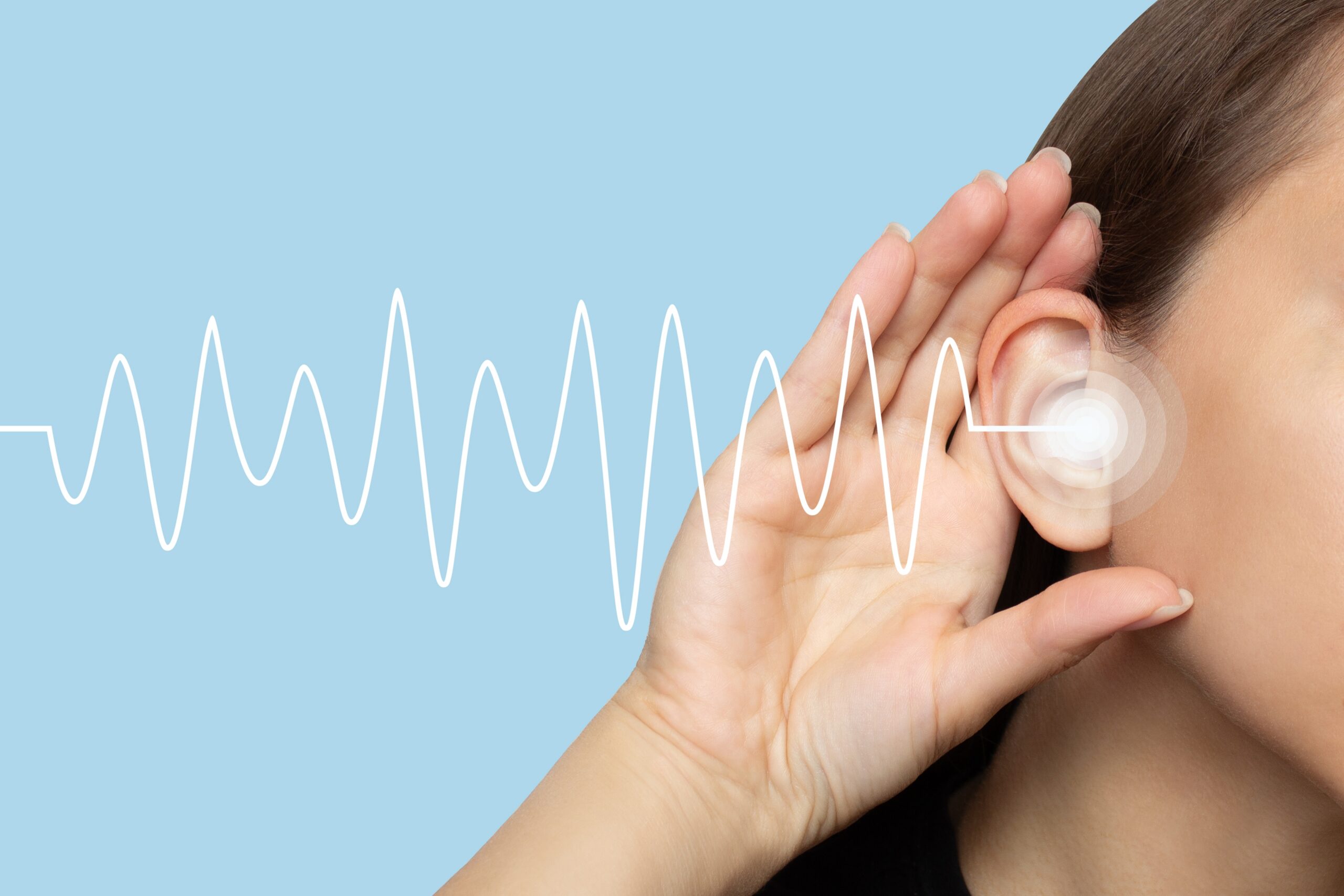
Hearing happens in the ears, but listening and understanding happens in the brain. When sound signals become unclear due to hearing loss, the brain must work harder to fill in missing information. This extra effort can lead to fatigue, slower processing, and reduced comprehension, especially in complex environments.
The longer hearing loss goes untreated, the more the brain adapts by prioritizing other sensory input, we have seen this in research over and over again. This can make returning to clear listening feel overwhelming at first. The good news is that the brain remains adaptable throughout life. With proper hearing care and consistent use of hearing technology, the brain can relearn how to process sound efficiently.
Taking the First Step Toward Confidence
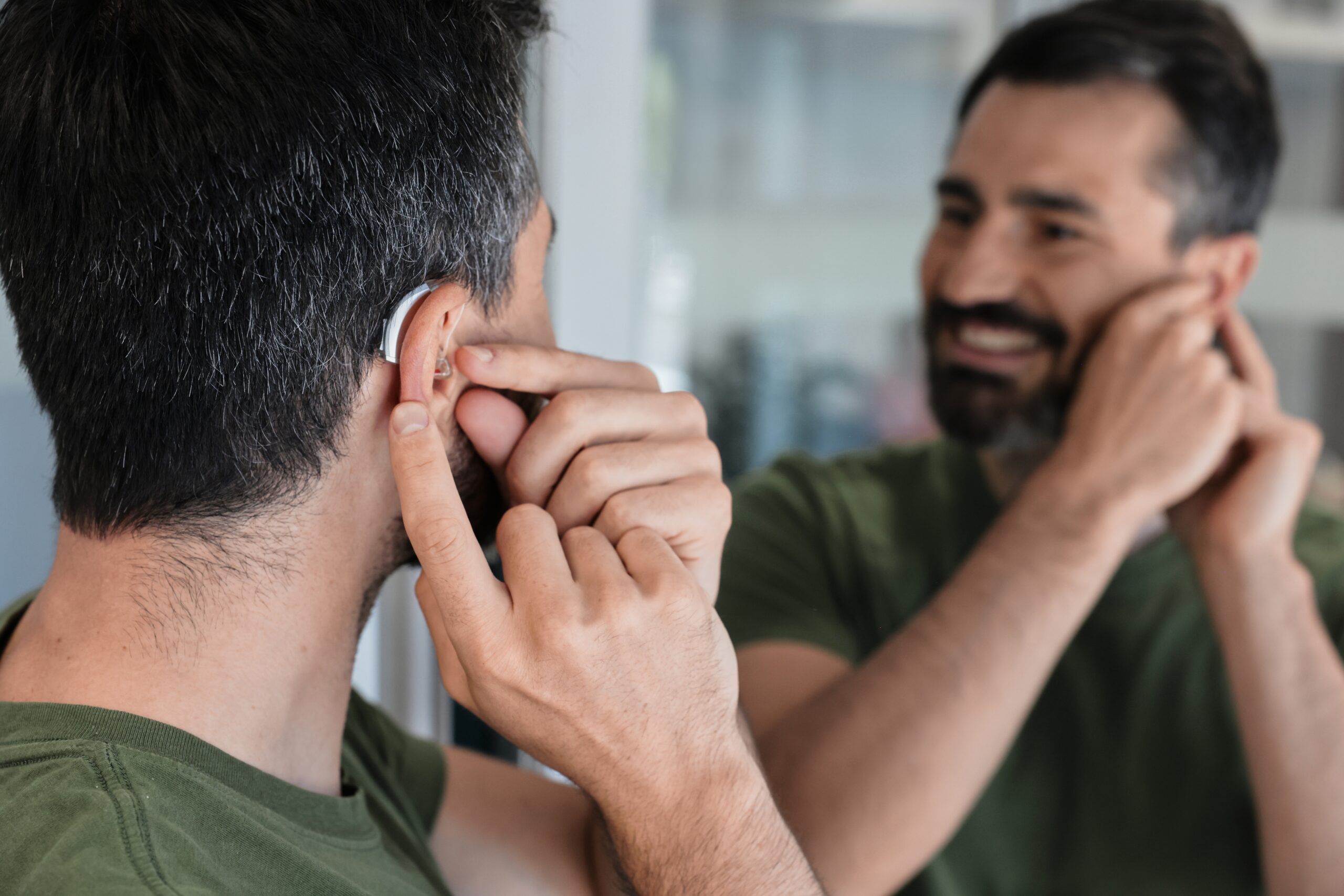
A comprehensive hearing evaluation is the foundation of rebuilding listening confidence. At NeuroHear, this includes more than measuring hearing thresholds. It also involves understanding how you function in real world listening situations and how hearing challenges affect your daily life.
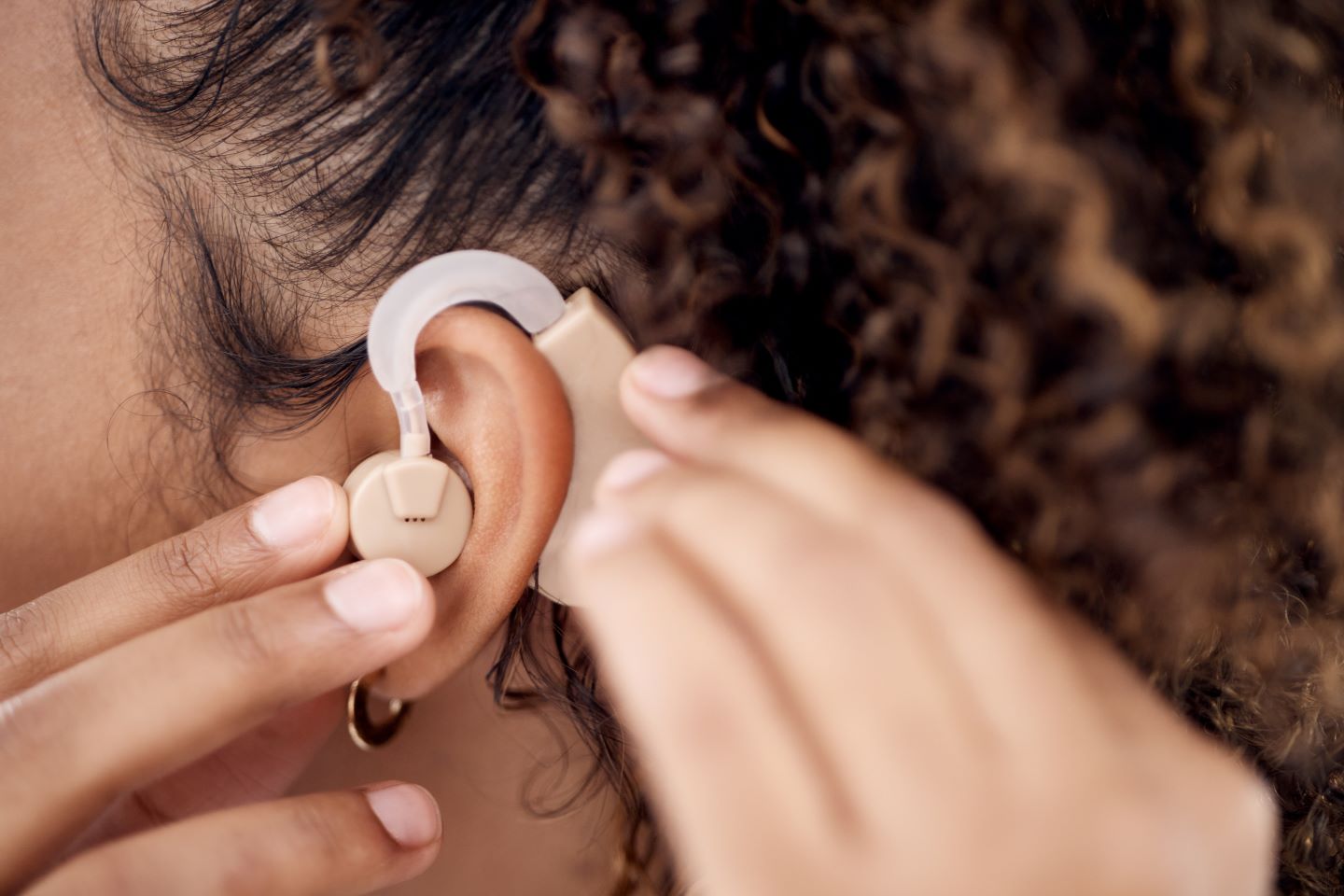
Once hearing needs are identified, personalized solutions can be developed. Modern hearing technology is designed to support natural listening, reduce listening effort, and improve clarity without overwhelming the brain.
Just as important as the technology itself is proper fitting, fine tuning, and ongoing support. Confidence grows when hearing solutions feel comfortable, predictable, and effective in daily situations.
Adjusting Expectations During the Transition
Many patients expect immediate improvement once they begin using hearing devices. While some benefits are noticeable right away, rebuilding listening confidence takes time. The brain needs consistent exposure to sound to relearn how to prioritize speech and filter background noise.
During this adjustment period, it is normal to feel uncertain or fatigued. Structured follow up visits, gradual adjustments, and clear communication with your provider help ensure steady progress without frustration.
Practicing active listening strategies can also support confidence. Facing speakers, reducing background noise when possible, and advocating for your listening needs are all valuable skills that improve outcomes.
Rebuilding Confidence in Social Settings
As listening becomes easier, confidence often returns naturally. Patients frequently report feeling more engaged in conversations, less anxious in group settings, and more connected to family and friends.
It is important to reenter social situations gradually and with realistic expectations. Confidence builds through positive experiences and repeated success. Support from family members and clear communication about hearing needs can make a meaningful difference.
Long-Term Benefits of Addressing Hearing Loss
Rebuilding listening confidence improves more than communication. Research shows that effective hearing care supports cognitive health, emotional well-being, and overall quality of life. Patients who feel confident listening are more likely to stay socially engaged, mentally active, and independent.
At NeuroHear, our goal is not just better hearing, but better living through confident listening.
If you or a loved one is experiencing hearing challenges, scheduling a hearing evaluation is an important step. With personalized care and expert guidance from Dr. Ina Selita, listening confidence can be restored and maintained for years to come.

Dr. Ina Selita is a licensed Doctor of Audiology and the founder of NeuroHear. With a background in neuroscience research at NYU and Johns Hopkins, she integrates brain-based insights into hearing care to support long-term communication and cognitive health. Her work has been published in the Journal of Neurophysiology and presented at major international conferences. Dr. Selita’s approach combines advanced diagnostics, patient education, and compassionate care to help individuals and families stay connected through every stage of life.
Start Your
Journey
Today. Request a Consultation.
What if your hearing helped you think faster, connect deeper, and stay ahead? We treat hearing with an ongoing lifestyle system, not a one-time diagnosis.