At NeuroHear, we recognize that addressing hearing loss involves hands-on care. Our aural rehabilitation and counseling services are designed to support patients across New Jersey who are adapting to life with hearing loss. These services include personalized strategies and tools to help you hear, understand, and engage more effectively in daily conversations. Whether you’re adjusting to new hearing devices or looking to rebuild your communication skills, our compassionate approach helps you to feel more in control of your hearing experience.
What Is Aural Rehabilitation?
Aural rehabilitation is a personalized program that helps individuals with hearing loss maximize their communication abilities. At NeuroHear, this involves a combination of auditory training, speechreading, and communication strategies tailored to your specific needs. We consider your lifestyle, goals, and level of hearing loss to develop a personalized plan that helps you function more effectively in everyday environments. Aural rehabilitation is especially beneficial for individuals new to hearing aids or those who struggle to understand speech in noisy environments, even with amplification. The best way to determine if aural rehabilitation is right for you is by scheduling an appointment with our expert team at NeuroHear.
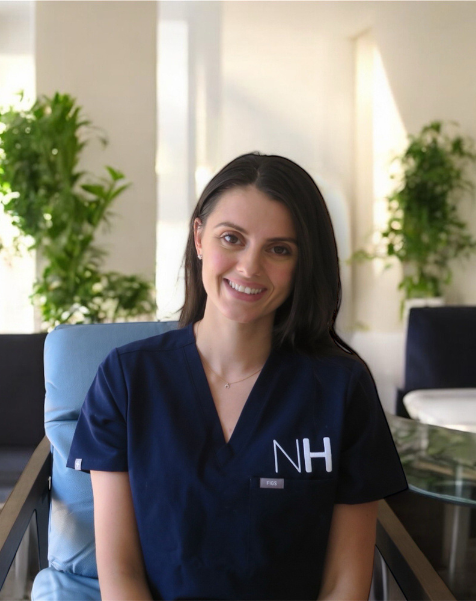
Meet Dr. Ina Selita
Doctor of Audiology & Founder of NeuroHear
As the founder of NeuroHear, I have been able to combine my expertise in hearing science and neuroscience to offer advanced, integrative care that supports sharper thinking and better living at every age.
MEET THE DOCTOR
What Does Aural Rehabilitation Include?
When you begin aural rehabilitation at NeuroHear, you will work closely with Dr. Ina Selita to evaluate your current auditory challenges. We will begin with a detailed consultation to understand how hearing loss is impacting your life. Your personalized plan may include auditory training exercises, one-on-one counseling, and strategies for improving communication. We also provide education on realistic expectations with hearing aids and teach techniques for managing conversations in complex listening environments.
Dr. Selita is a professional that’s very knowledgeable – she treated me a few years ago. She carefully explained my results and options to me carefully so I can understand everything. I would recommend 100%!
Brought my mother to get evaluated by Dr, Selita. She took her time with my mother, more than I’ve ever experienced at a doctors office. I would recommend her to anyone looking to hear better.
More Reviews
Why Is Counseling Important in Hearing Care?
Adjusting to hearing loss can be emotionally challenging, and many patients feel frustrated or isolated. Counseling is an integral part of aural rehabilitation, helping you understand your diagnosis, navigate daily challenges, and manage the emotional impact of hearing changes. At NeuroHear, we offer supportive guidance to help you build confidence. Dr. Selita focuses on holistic care, addressing both the medical and emotional sides of hearing loss to ensure long-term success.
Aural Rehabilitation & Counseling FAQs
What is aural rehabilitation and how does it help people with hearing loss?
Aural rehabilitation (also called auditory rehabilitation or hearing rehabilitation) is a comprehensive, evidence-based program designed to help individuals with hearing loss maximize their listening ability, communication skills, and overall quality of life. Rather than simply fitting a patient with hearing aids and sending them home, aural rehabilitation addresses the full impact of hearing loss which include cognitive, emotional, social, and communicative influence. rnrnAt NeuroHear, our aural rehabilitation programs combine hearing aid support, auditory training, communication strategies, and counseling to help patients reconnect with the sounds and conversations that matter most to them. Research consistently shows that patients who participate in aural rehabilitation experience significantly better outcomes with hearing aids, greater confidence in social settings, and reduced feelings of isolation compared to those who receive hearing devices alone.
Who can benefit from aural rehabilitation at NeuroHear?
The NeuroHear aural rehabilitation program is designed for a wide range of individuals experiencing hearing challenges. This includes adults and seniors with age related hearing loss (presbycusis), as well as new hearing aid or cochlear implant users who are adjusting to amplified sound. Long term hearing aid wearers who want to improve their listening performance may also benefit from the program. It is also appropriate for individuals with sudden or acquired hearing loss caused by illness, injury, or noise exposure. Adults experiencing tinnitus can participate to learn strategies for managing ringing or buzzing in the ears. In addition, family members and caregivers of individuals with hearing loss may take part to become more effective communication partners. If hearing loss is affecting your ability to communicate at work, at home, or in social situations, you may be a strong candidate for aural rehabilitation. No degree of hearing loss is too mild or too severe to benefit from this type of support.
What types of therapies and exercises are included in aural rehabilitation?
NeuroHear’s aural rehabilitation program may include a variety of evidence based therapies and exercises tailored to each patient’s specific hearing needs and lifestyle. Auditory training uses structured listening exercises designed to help retrain the brain to process speech and sound more accurately, which can improve speech recognition over time. Speechreading training focuses on learning how to use visual cues from a speaker’s face, mouth movements, and body language to supplement what is heard. Patients also receive hearing aid orientation and management support, which provides hands on guidance for properly using, cleaning, and optimizing hearing devices or cochlear implants. The program may also include education on assistive listening devices, such as captioned telephones, FM systems, loop systems, and smartphone apps that help enhance hearing in specific environments. Communication strategies training teaches practical techniques for navigating challenging listening situations in everyday life, whether at work, in public spaces, or at home. For individuals experiencing tinnitus, the program may incorporate sound therapy, relaxation techniques, and cognitive strategies to help reduce the perceived burden of ringing or buzzing in the ears. In some cases, group therapy sessions are offered, providing a supportive learning environment where patients can practice real world listening skills alongside others facing similar hearing challenges.
How does counseling support patients adjusting to hearing loss?
Hearing loss is not only a physical condition but also a hidden disability that can carry significant emotional and psychological weight. Many individuals experience grief, frustration, anxiety, social withdrawal, or even depression following a hearing loss diagnosis. Audiological counseling at NeuroHear provides a supportive environment where patients can process these emotions while developing the practical and emotional tools needed to adapt successfully.rnrnCounseling focuses on helping patients work through acceptance and adjustment by moving through the emotional stages of hearing loss at their own pace and without judgment. It also supports the development of communication confidence by addressing the anxiety and self consciousness that can arise during conversations, especially in challenging listening environments. Another important component involves discussing relationship dynamics, including how hearing loss may affect interactions with partners, family members, friends, and colleagues, and identifying strategies to strengthen those relationships.rnrnPatients are also guided in developing self advocacy skills so they feel more comfortable asking for accommodations, disclosing their hearing loss when appropriate, and taking an active role in managing their hearing health. In addition, counseling includes collaborative goal setting, where patients work with their audiologist to define personal hearing goals and track meaningful progress. At NeuroHear, counseling is integrated throughout the entire rehabilitation process rather than treated as a separate service, because emotional readiness is an essential part of achieving the best possible outcomes.
Can aural rehabilitation help if I am new to hearing aids?
Aural rehabilitation can be especially valuable for individuals who are using hearing aids for the first time. Adjusting to amplified sound often takes time, and many new users become frustrated or stop wearing their devices when they do not receive proper guidance and support. At NeuroHear, new hearing aid users are provided with comprehensive assistance to help make this transition smoother and more successful.rnrnPatients receive detailed device orientation that explains how to use controls and settings, as well as how to properly care for batteries and maintain cleaning routines. The program also introduces gradual acclimatization strategies that help the brain adjust to amplified sound at a comfortable pace, reducing the risk of feeling overwhelmed by new auditory input. Another important component is setting realistic expectations, so patients understand what hearing aids can and cannot do in different listening environments.rnrnFollow up auditory training is often included to help accelerate the brain’s ability to interpret the new sounds delivered through hearing aids. Patients also benefit from ongoing support through scheduled follow up appointments, which allow providers to fine tune devices and address any challenges that may arise over time. Research consistently shows that individuals who participate in aural rehabilitation when they first begin using hearing aids are significantly more likely to wear their devices regularly and report higher satisfaction with their overall hearing outcomes.
What strategies are taught to improve communication in noisy environments?
At NeuroHear, rehabilitation programs are customized to each patient, meaning no two plans are exactly the same. Your program is built around your unique hearing profile, lifestyle, communication goals, and personal priorities. The process typically begins with a comprehensive hearing evaluation, which includes a full audiological assessment to understand the nature, degree, and configuration of your hearing loss. This is followed by a lifestyle and communication needs assessment, where your audiologist discusses your daily listening demands at work, at home, and in social settings.rnrnSelf assessment questionnaires may also be used to better understand your challenges. Standardized tools such as the COSI (Client Oriented Scale of Improvement), THI (Tinnitus Handicap Inventory), and the HHIE (Hearing Handicap Inventory for the Elderly) help identify the situations where hearing difficulties affect you the most. Based on this information, you and your audiologist work together to identify goals and define what success looks like for you personally.rnrnFrom there, a personalized program is designed using the most appropriate therapies, exercises, counseling components, and technology solutions for your needs. Your progress is then monitored through ongoing evaluation and adjustments, with regular check ins to measure improvement, celebrate progress, and update your plan as your needs evolve. Throughout the entire process, your audiologist at NeuroHear partners with you to ensure your rehabilitation plan remains relevant, motivating, and effective.
How is a personalized aural rehabilitation plan developed?
At NeuroHear, rehabilitation programs are customized to each patient, meaning no two plans are exactly the same. Your program is built around your unique hearing profile, lifestyle, communication goals, and personal priorities. The process typically begins with a comprehensive hearing evaluation, which includes a full audiological assessment to understand the nature, degree, and configuration of your hearing loss. This is followed by a lifestyle and communication needs assessment, where your audiologist discusses your daily listening demands at work, at home, and in social settings.rnrnSelf assessment questionnaires may also be used to better understand your challenges. Standardized tools such as the COSI (Client Oriented Scale of Improvement), THI (Tinnitus Handicap Inventory), and the HHIE (Hearing Handicap Inventory for the Elderly) help identify the situations where hearing difficulties affect you the most. Based on this information, you and your audiologist work together to identify goals and define what success looks like for you personally.rnrnFrom there, a personalized program is designed using the most appropriate therapies, exercises, counseling components, and technology solutions for your needs. Your progress is then monitored through ongoing evaluation and adjustments, with regular check ins to measure improvement, celebrate progress, and update your plan as your needs evolve. Throughout the entire process, your audiologist at NeuroHear partners with you to ensure your rehabilitation plan remains relevant, motivating, and effective.
How long does a typical aural rehabilitation program take?
The duration of an aural rehabilitation program varies based on the individual’s degree of hearing loss, personal goals, the type of hearing technology being used, and their rate of progress. At NeuroHear, programs are designed to be flexible and patient centered rather than tied to a rigid timeline.rnrnIn general, short term programs lasting about four to six weeks are often appropriate for new hearing aid users who need a strong foundation for device orientation and initial adjustment. Intermediate programs, which may last two to four months, are commonly recommended for individuals working on specific communication challenges, auditory training goals, or tinnitus management. Some patients may benefit from ongoing or long term support, particularly cochlear implant users, individuals with more significant hearing loss, or those who regularly navigate complex communication environments.rnrnMany patients begin with weekly or biweekly sessions and gradually transition to occasional maintenance visits as their listening skills and confidence improve. Your NeuroHear audiologist will recommend a timeline that best reflects your individual needs and goals.
What role does emotional support play in the rehabilitation process?
Emotional support is a central part of aural rehabilitation. At NeuroHear, we recognize that hearing loss can affect many aspects of a person’s life, including relationships, career, mental health, and sense of identity. When patients feel supported throughout the rehabilitation process, they are often more motivated, more consistent with hearing aid use, and more willing to practice new communication strategies that help them reach their goals.rnrnOur approach includes empathetic, non judgmental audiological counseling throughout every stage of care. We also acknowledge and validate the real psychological impact of hearing loss, including feelings of grief, frustration, and fatigue. Some patients benefit from peer support or group rehabilitation opportunities where they can connect with others who share similar experiences.rnrnFamily involvement is also encouraged so that loved ones can better understand hearing loss and become effective communication partners rather than additional sources of stress. When appropriate, patients may also receive referrals to mental health professionals if deeper psychological support is needed, such as care for anxiety or depression. At NeuroHear, the philosophy is to support the whole person, not just the hearing.
How do I know if aural rehabilitation and counseling are right for me?
If hearing loss is affecting any part of your daily life, aural rehabilitation and counseling at NeuroHear may be worth considering. Many people are strong candidates when they frequently ask others to repeat themselves, feel exhausted after conversations, or begin avoiding social situations, phone calls, or gatherings because hearing has become difficult. Feelings of frustration, embarrassment, or anxiety about hearing loss are also common signs that additional support could be helpful.rnrnAural rehabilitation may also benefit individuals who are new to hearing aids and unsure how to use them effectively, as well as long time hearing aid users who still struggle in certain environments. People experiencing tinnitus that interferes with concentration or sleep may also find relief through rehabilitation strategies. In many cases, hearing challenges can begin to affect relationships or professional performance, making early support especially valuable.rnrnThe best first step is scheduling a comprehensive hearing evaluation and consultation at NeuroHear. During this visit, your audiologist will assess your hearing, discuss your concerns, and help determine whether aural rehabilitation is the right path forward and what that process may look like for you.
Patient Resources
What if your hearing helped you think faster, connect deeper, and stay ahead? We treat hearing with an ongoing lifestyle system, not a one-time diagnosis.
Schedule an Appointment
If you are in New Jersey and seeking support beyond hearing aids, NeuroHear is here to help. Contact us today to schedule your aural rehabilitation consultation by completing our online contact form. We are ready to guide you toward clearer communication and a more connected life by improving your hearing abilities.