




At NeuroHear, we provide professional cerumen removal for patients in New Jersey and the surrounding areas. While earwax, or cerumen, is a natural and protective substance, an excessive amount can cause hearing difficulties, ringing in the ears, or general discomfort. Our approach to cerumen removal prioritizes safety and effectiveness, ensuring your ear health is maintained without the risks associated with at-home methods. By receiving care from one of the professionals at NeuroHear, you protect your ears while improving symptoms of buildup.
What Is Cerumen Removal?
Cerumen removal is a procedure designed to clear excess earwax from the ear canal. Earwax can serve as a barrier against bacteria, debris, and foreign particles. When wax accumulates, it can block sound waves, leading to hearing difficulties and irritation. At NeuroHear, cerumen removal is performed by an experienced audiologist using specialized tools and techniques that ensure your ear canal and eardrum remain unharmed.
Meet Dr. Ina Selita
Doctor of Audiology & Founder of NeuroHear
As the founder of NeuroHear, I have been able to combine my expertise in hearing science and neuroscience to offer advanced, integrative care that supports sharper thinking and better living at every age.
MEET THE DOCTOR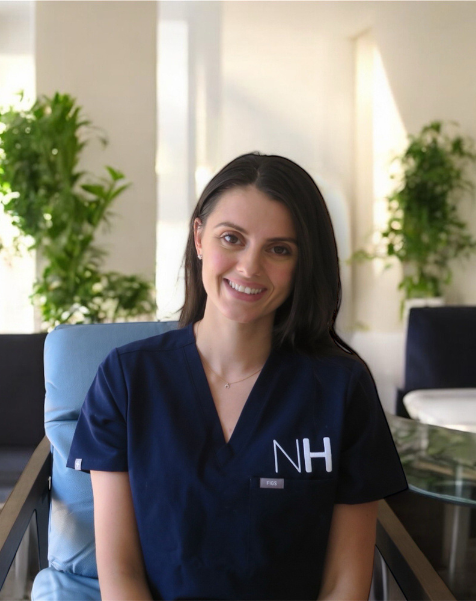
Benefits of Cerumen Removal
Professional cerumen removal offers immediate and long-term improvements for your hearing health. By clearing excess earwax, you may notice enhanced sound clarity and speech understanding, which can improve communication in everyday situations. Many patients also experience relief from symptoms such as ringing in the ears, pressure, or a sensation of fullness. Safe removal reduces the risk of infections and irritation that can occur when wax remains trapped in the ear canal. For individuals who wear hearing aids, routine cerumen management ensures that devices function optimally without blockage or interference.
What Happens During a Cerumen Removal Appointment?
When you arrive for your appointment, Dr. Ina Selita will begin with a visual exam of your ear canal and eardrum to determine the extent of your wax buildup. Depending on your needs, she may use instruments such as curettes, suction, or irrigation systems to gently and effectively remove the cerumen. The procedure is quick, comfortable, and completed in the office. Many patients notice an immediate improvement in hearing and relief from symptoms of fullness in the ear or tinnitus.


Why Is Professional Cerumen Removal Important?
Removing earwax at home with cotton swabs, candles, or other objects often pushes wax deeper into the canal or can damage the ear structures. Professional removal ensures that earwax is removed safely and effectively, while protecting your hearing in the process. Regular cerumen management can prevent infections, reduce discomfort, and improve the performance of hearing aids or other listening devices. At NeuroHear, we emphasize preventative ear care as part of your overall auditory wellness.
FAQs on Cerumen Removal
What is cerumen removal?
How do I know if I have too much earwax?
Is earwax bad for my ears?
Why shouldn’t I remove earwax at home with cotton swabs?
How does an audiologist remove earwax?
Is cerumen removal painful?
Will removing earwax improve my hearing right away?
Can earwax buildup cause ringing in the ears?
How does earwax affect hearing aids?
How often should I have professional earwax removal?
Schedule an Appointment
If you are experiencing blocked ears, ringing, or discomfort, NeuroHear is here to help with safe and effective cerumen removal. Contact our New Jersey office today to schedule your appointment by completing our online contact form.
Patient Resources
What if your hearing helped you think faster, connect deeper, and stay ahead? We treat hearing with an ongoing lifestyle system, not a one-time diagnosis.




Dr. Ina Selita is a licensed Doctor of Audiology and the founder of NeuroHear. With a background in neuroscience research at NYU and Johns Hopkins, she integrates brain-based insights into hearing care to support long-term communication and cognitive health. Her work has been published in the Journal of Neurophysiology and presented at major international conferences. Dr. Selita’s approach combines advanced diagnostics, patient education, and compassionate care to help individuals and families stay connected through every stage of life.
Start Your
Journey
Today. Request a Consultation.
What if your hearing helped you think faster, connect deeper, and stay ahead? We treat hearing with an ongoing lifestyle system, not a one-time diagnosis.