



When It’s Time to Schedule Your Hearing Evaluation
Audiology Care in Red Bank, NJ

Hearing naturally changes as we age, but sometimes difficulties can appear earlier due to noise exposure, illness, or other factors. Because hearing loss often develops gradually, many people do not notice it until it begins affecting conversations or daily activities. Early evaluation can help you understand whether changes are part of normal aging or indicate a treatable condition.
Common Signs of Hearing Difficulties
There are several indicators that suggest a hearing assessment may be helpful:
- Frequently asking people to repeat what they said
- Difficulty understanding conversations in noisy environments
- Increasing the volume on devices like televisions, radios, or phones
- Struggling to hear high-pitched voices, alarms, or alerts
- Ringing, buzzing, or other noises in the ears
- Feeling pressure, fullness, or discomfort in the ears
- Temporary changes in hearing after loud noise or ear infections
Noticing these signs does not necessarily mean you have permanent hearing loss, but it is an opportunity to identify potential issues before they affect communication or well-being.
What a Hearing Evaluation Involves
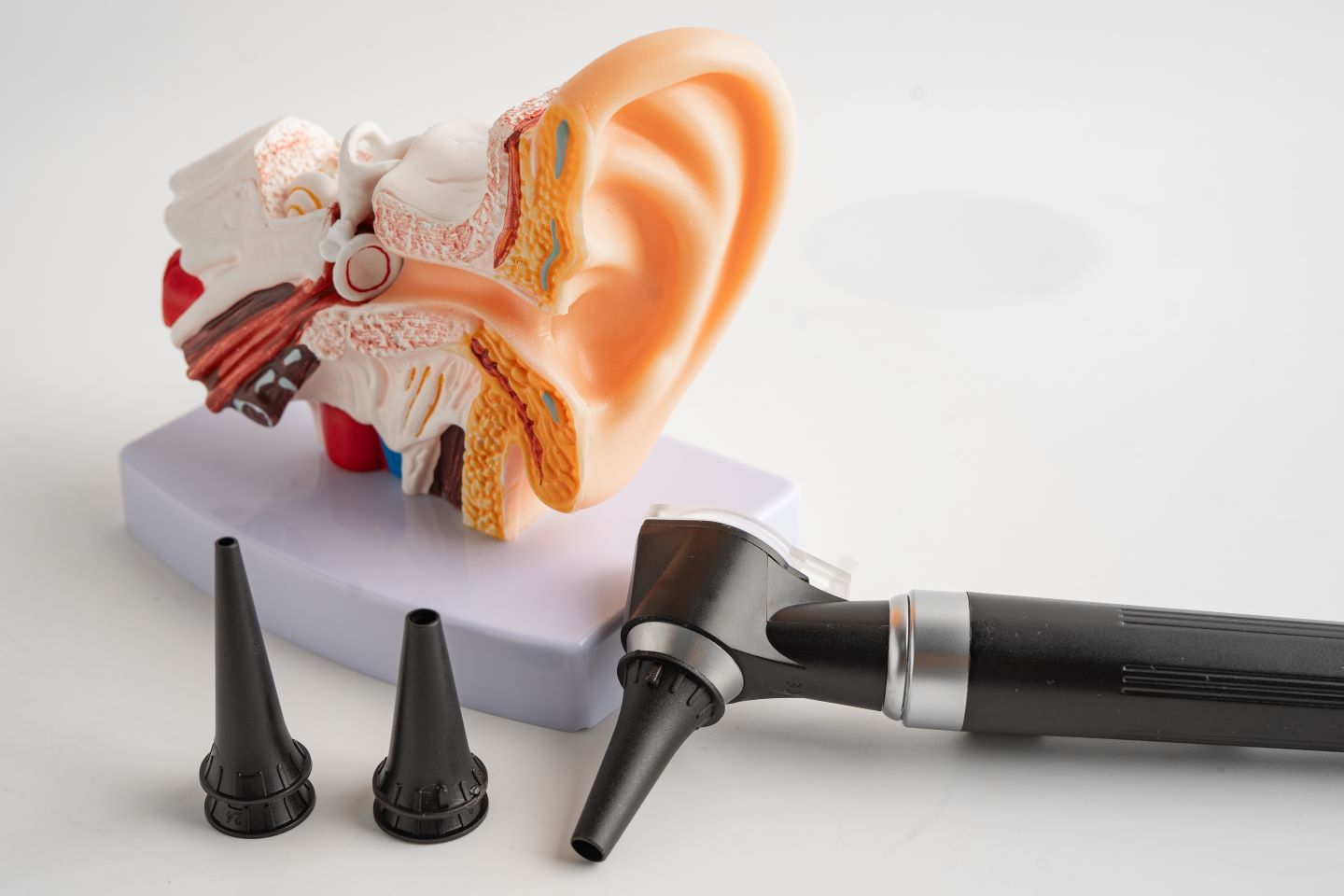
A hearing evaluation assesses both the ears and the brain’s ability to interpret sound. The process typically starts with a review of your hearing history and any concerns you may have. The ears are examined to check for physical factors that could influence hearing. A series of tests then measures hearing sensitivity, speech understanding, and auditory processing. These tests are comfortable, non-invasive, and usually take under an hour. After testing, results are explained clearly, and any next steps are discussed, which may include monitoring, strategies to protect hearing, or further evaluation.
Why Early Evaluation Matters
Hearing is closely linked to communication, social engagement, and cognitive function. Even mild changes can make listening more effortful and increase fatigue during conversations. Identifying hearing differences early allows for more options to manage or support hearing health. Establishing a baseline also makes it easier to track changes over time and take steps to maintain auditory function.
Taking the Next Step
If you have noticed any changes in your hearing or want to ensure your hearing remains healthy, a professional evaluation can provide valuable insight. A hearing assessment is an informative step that helps you understand your hearing abilities and plan for long-term well-being.
Meet Dr. Ina Selita | Hearing Evaluations | Contact Us

Dr. Ina Selita is a licensed Doctor of Audiology and the founder of NeuroHear. With a background in neuroscience research at NYU and Johns Hopkins, she integrates brain-based insights into hearing care to support long-term communication and cognitive health. Her work has been published in the Journal of Neurophysiology and presented at major international conferences. Dr. Selita’s approach combines advanced diagnostics, patient education, and compassionate care to help individuals and families stay connected through every stage of life.


Start Your
Journey
Today. Request a Consultation.
What if your hearing helped you think faster, connect deeper, and stay ahead? We treat hearing with an ongoing lifestyle system, not a one-time diagnosis.