



What Are the Different Types of Hearing Aids and How Do I Choose the Right One?
Audiology Care in Red Bank, NJ
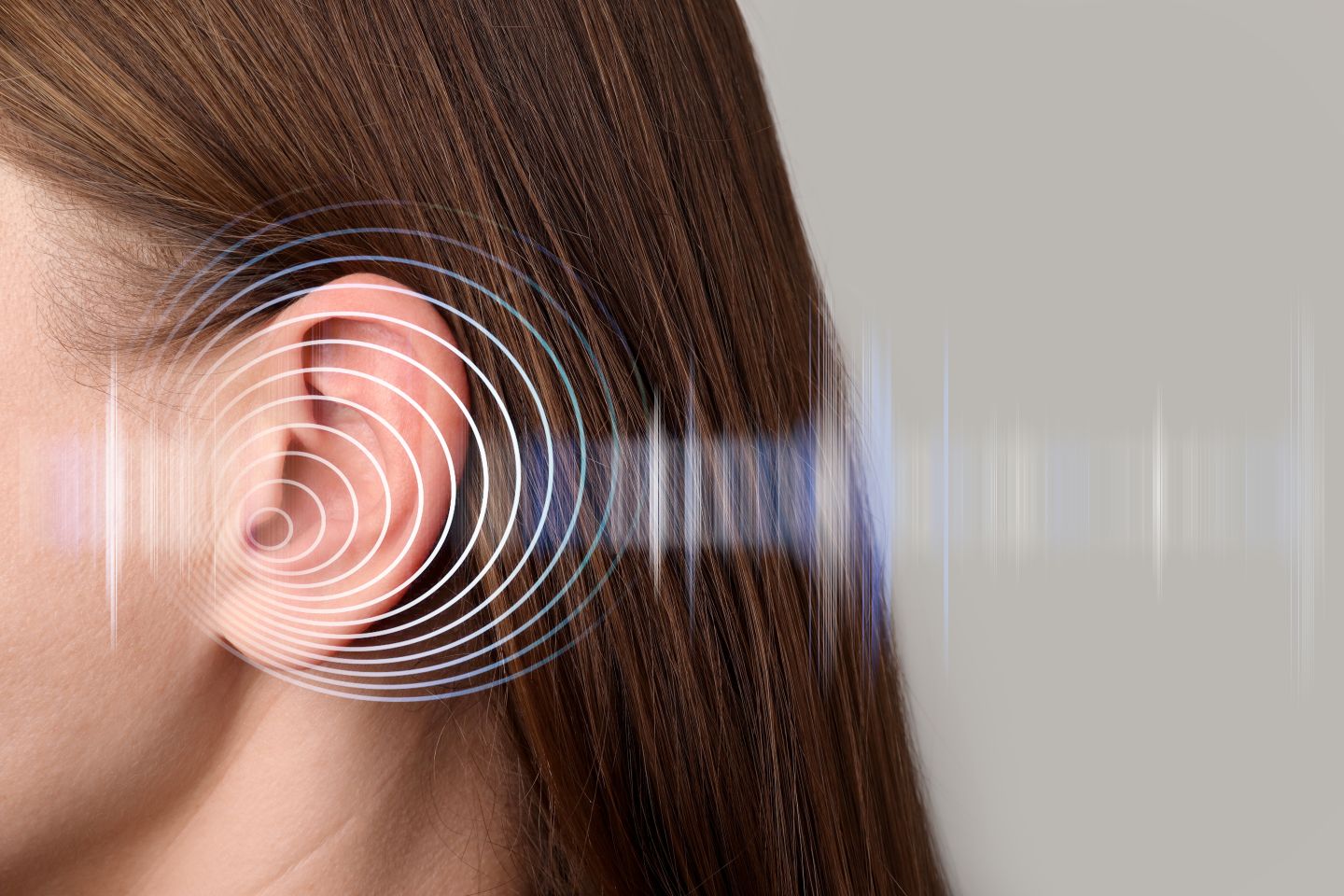
Understanding the types of hearing aids available is the first step toward making a confident, informed decision about your hearing health. This guide covers every major style, how each one works, and what factors matter most when choosing the right fit for your hearing profile, lifestyle, and cognitive health goals. At NeuroHear in Red Bank, NJ, Dr. Ina Selita, Au.D. approaches hearing aid selection through a neuroscience lens, treating amplification not as a simple fix but as a precision tool for brain performance and long-term quality of life. Whether you are exploring hearing aids for the first time or reconsidering a previous recommendation, the answers below are designed to give you real clarity.
Ready to start the conversation? Call NeuroHear today to schedule a free 10-minute phone consultation with Dr. Selita directly.
Frequently Asked Questions About Types of Hearing Aids in Red Bank, NJ
What are the main types of hearing aids available today?
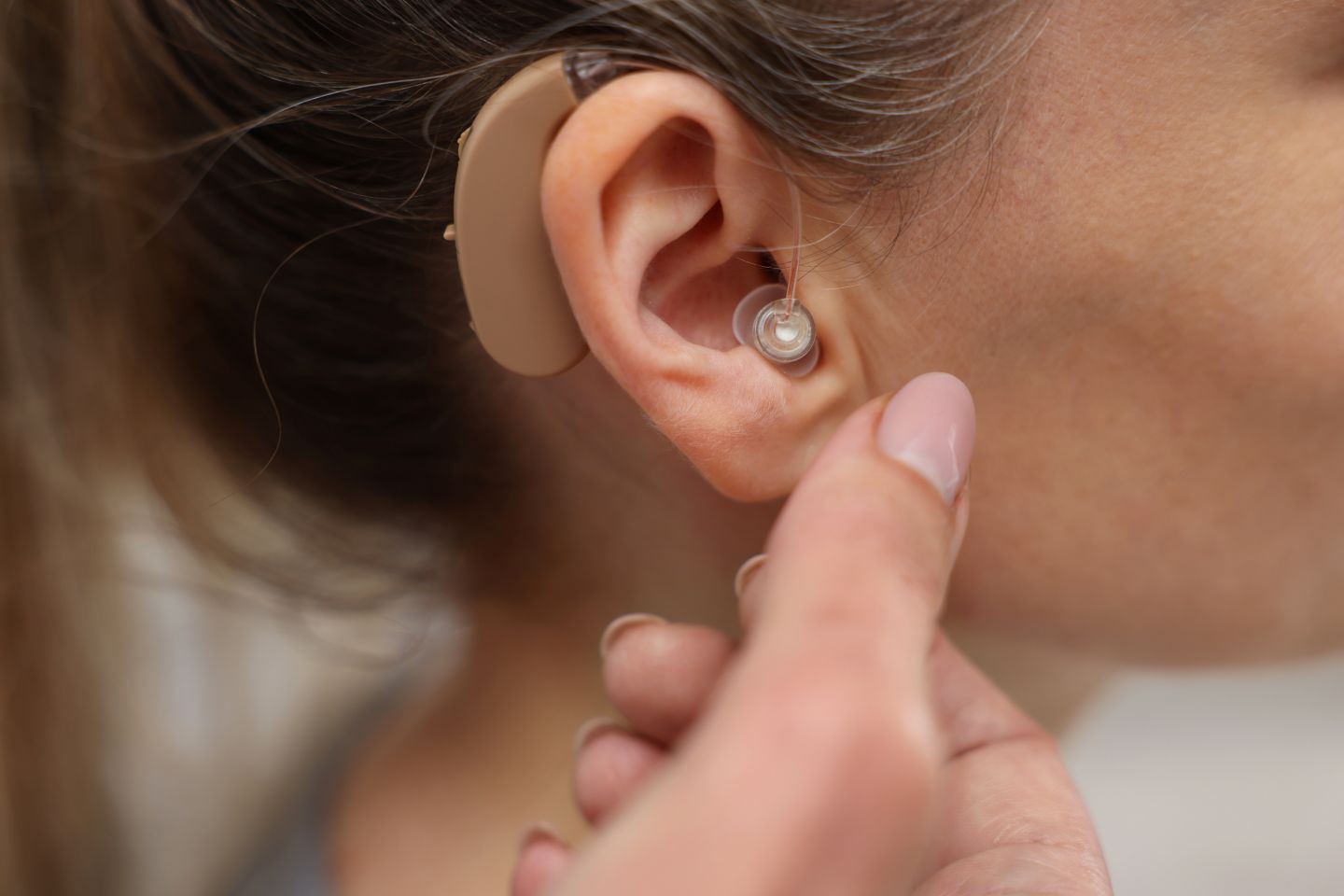
The main types of hearing aids include behind-the-ear (BTE), receiver-in-canal (RIC), in-the-ear (ITE), in-the-canal (ITC), completely-in-canal (CIC), and invisible-in-canal (IIC) devices. Each style differs in size, placement, battery type, and the degree of hearing loss it is best suited to address. BTE and RIC models are among the most versatile and are often recommended for a wider range of hearing profiles, while IIC devices offer maximum discretion for patients with mild to moderate hearing loss. Understanding the differences across types of hearing aids helps narrow down the options before your consultation.
How do hearing aids work, and what do they actually do for your hearing?
Hearing aids work by capturing sound through a microphone, processing it digitally, and delivering amplified or adjusted audio through a speaker positioned near or inside the ear canal. Modern devices go well beyond simple amplification: they use sophisticated algorithms to distinguish speech from background noise, adapt to different listening environments, and stream audio from phones and televisions. From a neuroscience perspective, the goal is to deliver the auditory cortex a richer, more complete signal so the brain spends less energy straining to process sound. Dr. Selita’s work studying auditory cortex adaptation informs how she approaches fitting and programming at NeuroHear.
What conditions or types of hearing loss do hearing aids typically address?
Hearing aids are most commonly recommended for sensorineural hearing loss, which involves changes to the inner ear or auditory nerve and is the most prevalent form of hearing difficulty in adults. Some types of hearing aids are also designed to support conductive hearing loss or mixed hearing loss, depending on the underlying cause. Certain devices can be beneficial for patients managing tinnitus alongside hearing difficulty, as enriched sound environments may help reduce the perception of ringing or noise. A thorough comprehensive hearing evaluation is the essential first step in determining which type of device, if any, is appropriate for your specific pattern of hearing loss.
Am I a good candidate for hearing aids?
Candidacy for hearing aids depends on the type, degree, and configuration of your hearing loss, as well as your lifestyle demands and communication goals. Research suggests that many people who could benefit from amplification wait several years before seeking care, and earlier intervention may support better auditory processing outcomes. You do not need to be struggling in every situation to benefit from hearing aids: difficulty following conversations in noise, frequently asking people to repeat themselves, or turning up the volume on devices are all meaningful signs worth evaluating. The NeuroHear Vitality Plan includes speech-in-noise testing and cognitive screening to give Dr. Selita a complete picture of how your hearing is performing under real-world conditions.
Is a hearing aid always the right choice, or is a different approach sometimes needed?
Hearing aids are the right choice for most patients with confirmed sensorineural hearing loss that affects daily communication, cognitive load, or quality of life. Patients with medically treatable causes of hearing loss, such as impacted cerumen or middle ear conditions, may need cerumen removal or medical referral before amplification is appropriate. For patients with tinnitus as a primary complaint, a dedicated tinnitus assessment and management evaluation helps determine whether sound therapy, hearing aids, or a combined approach offers the most meaningful relief. Dr. Selita’s diagnostic process is designed to ensure every recommendation is grounded in your specific audiology and cognitive health profile.
What should I expect at a hearing aid fitting appointment at NeuroHear?
At NeuroHear, a hearing aid fitting is a precision process, not a quick handoff. Dr. Selita uses real ear measurements, a technique that verifies the amplification reaching your eardrum matches your prescription targets, to ensure the device is performing correctly for your individual ear anatomy. You will also discuss listening environments, connectivity preferences, and any concerns about comfort or aesthetics. Most patients leave with a thorough understanding of how to use, maintain, and maximize their devices. For patients interested in exploring their options before committing, you can learn more about the full process on the hearing aids and personalized fittings service page.
How long does it take to adjust to a new hearing aid?
Most patients experience an adjustment period of several weeks to a few months as the auditory system and brain recalibrate to a fuller sound environment. This process, sometimes called acclimatization, reflects the brain’s neuroplasticity and its capacity to reorganize around new auditory input. Initial sounds may seem louder or different than expected, and patients often benefit from a gradual wearing schedule in the early weeks. Dr. Selita provides structured follow-up as part of every fitting to monitor progress and fine-tune programming.
How long do hearing aid results typically last, and when should I expect to upgrade?
Most modern hearing aids are designed to perform reliably for five to seven years with proper care and maintenance. However, as your hearing profile changes over time, the programming may need adjustment to remain optimally matched to your needs. Technology advances rapidly in the hearing aid industry, and newer devices often offer meaningfully improved sound processing, connectivity, and cognitive support features. At NeuroHear, ongoing care is built into the Vitality Plan so that your devices continue to serve your brain health goals as your needs evolve. Scheduling periodic re-evaluations rather than waiting for noticeable decline is always the proactive approach.
Do you serve patients from surrounding areas near Red Bank, NJ?
Yes. NeuroHear serves patients from Red Bank and throughout Monmouth County, including Fair Haven, Little Silver, Rumson, Shrewsbury, Middletown, Tinton Falls, and surrounding communities. Many patients also travel from the greater New Jersey shore region specifically to work with Dr. Selita because of her neuroscience research background and the depth of diagnostic care the practice offers. If you are unsure whether NeuroHear is the right fit before making the trip, you are welcome to schedule a free 10-minute phone consultation with Dr. Selita directly, with no obligation to book a full visit.
What makes NeuroHear different from other audiology practices in the Red Bank, NJ area?
NeuroHear is the only audiology practice in the Red Bank area that integrates clinical audiology with neuroscience research at its foundation. Dr. Selita conducted research on auditory cortex adaptation at NYU School of Medicine and Johns Hopkins University before founding the practice. The proprietary Vitality Plan includes middle ear assessment, otoacoustic emissions, speech-in-noise testing, cognitive screening, and real ear measurements within a single comprehensive program. Patients who have been seen elsewhere and want a second opinion are also welcome. You can read more about the practice philosophy on the Why NeuroHear page.
How much do hearing aids cost, and does insurance cover them?
The cost of hearing aids varies depending on the technology tier, style, features, and the level of follow-up care included in the fitting package. Rather than quoting a price range that may not reflect your specific needs, NeuroHear recommends a consultation to discuss which types of hearing aids are clinically appropriate for you before evaluating cost. Insurance coverage for hearing aids varies significantly by plan and carrier. The NeuroHear team can help you understand your benefits and explore available options. For more information on what may be covered, visit the insurance policies and treatment plans resource page.
Are there any safety concerns or risks associated with wearing hearing aids?
Hearing aids are generally well-tolerated by most patients and are considered a low-risk intervention when properly fitted and maintained. Poorly fitted devices or incorrect amplification can cause discomfort, feedback, or fail to deliver meaningful benefit, which is why real ear measurement verification matters. Some patients experience mild ear canal irritation during the initial adjustment period, particularly with custom in-ear styles. Hearing aids should never be considered a substitute for medical evaluation when hearing loss is sudden, asymmetric, or accompanied by other symptoms. Dr. Selita’s diagnostic-first approach ensures that any underlying medical concern is identified and addressed before amplification is recommended. Individual experiences may vary.
Why Choose NeuroHear for Types of Hearing Aids in Red Bank, NJ?
NeuroHear was founded on a principle that sets it apart from conventional audiology practices: hearing is a brain health issue, and the types of hearing aids you choose should reflect that understanding. Dr. Ina Selita, Au.D. brings a background in neuroscience research from NYU School of Medicine and Johns Hopkins University to every patient consultation, offering a level of diagnostic and clinical depth rarely found in a private practice setting. As a member of the American Speech-Language-Hearing Association, Dr. Selita combines academic rigor with genuine personal investment in each patient’s long-term outcomes. If you have been seen elsewhere and are not confident in your current recommendation, NeuroHear also offers second opinion services for patients who want a fresh perspective.
Take the Next Step Toward Better Hearing in Red Bank, NJ
If you are ready to explore the types of hearing aids that may be right for your hearing profile and lifestyle, NeuroHear is here to guide you with expertise grounded in neuroscience. Schedule a free 10-minute phone consultation with Dr. Selita directly, or book a full evaluation to get started. Call NeuroHear today at (732) 842-1971 and invest in your hearing and brain health with confidence.

Start Your
Journey
Today. Request a Consultation.
What if your hearing helped you think faster, connect deeper, and stay ahead? We treat hearing with an ongoing lifestyle system, not a one-time diagnosis.