


OTC vs. Prescription Hearing Aids: What an Audiologist Fitting Adds
Audiology Care in Red Bank, NJ
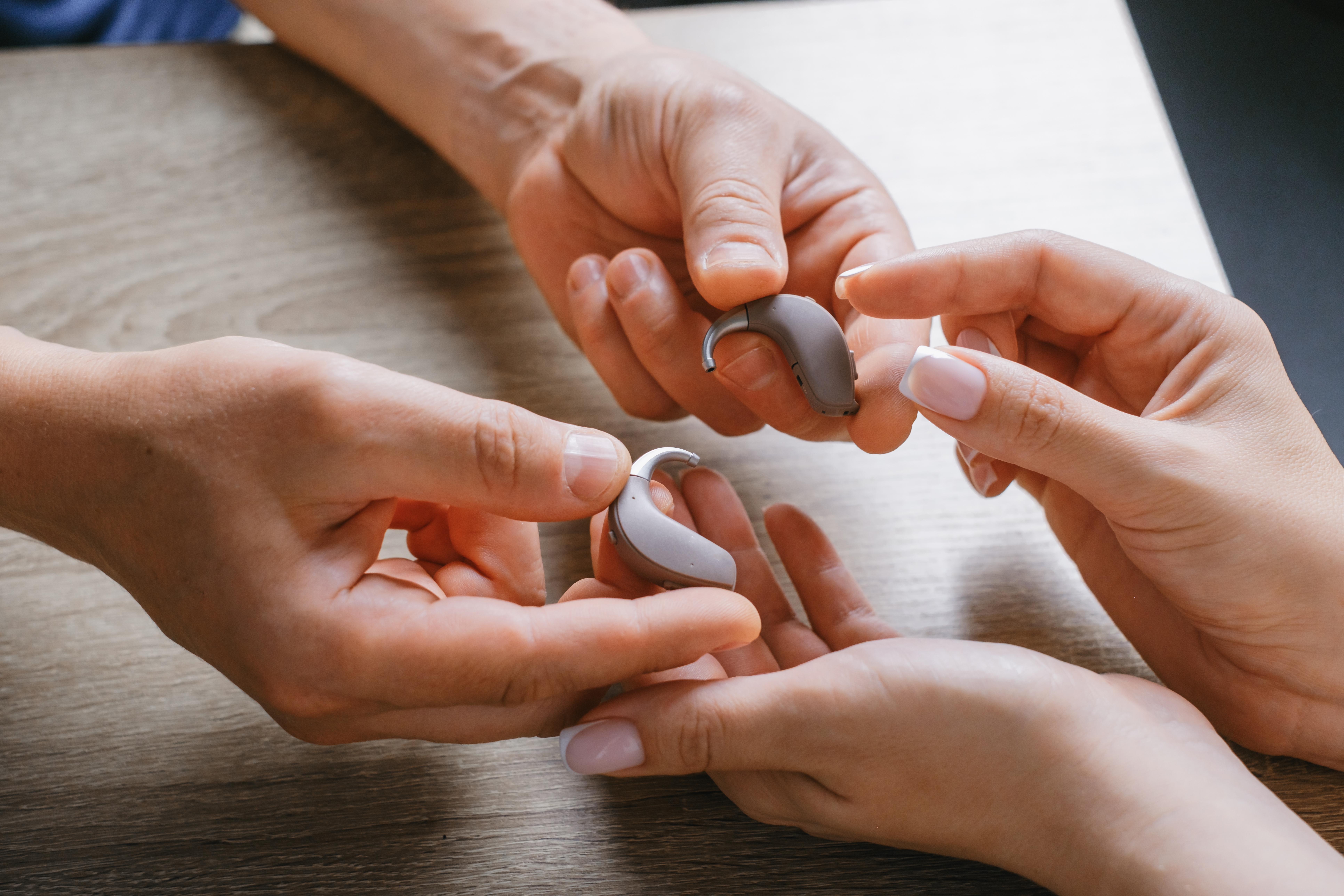
Since October 2022, adults with perceived mild to moderate hearing loss have been able to buy hearing aids off a pharmacy shelf or online, with no exam and no prescription. That change made OTC hearing aids a real option for many people, and it raised a fair question for anyone comparing them with a prescription device: what does the audiologist actually add, and is it worth it for your hearing? At NeuroHear in Red Bank, NJ, Dr. Ina Selita, Au.D., answers that question without a sales script, and sometimes the honest answer is that an over-the-counter device is a sensible place to start.
Where OTC Hearing Aids Fit, and Where They Stop
Over-the-counter devices are FDA-regulated for adults 18 and older who perceive their hearing loss as mild to moderate. You set them up yourself, usually through a phone app, based on your own sense of what sounds right. Many now include Bluetooth streaming, noise reduction and directional microphones, and they generally cost less upfront than prescription devices. Setup typically walks you through a series of tones or listening tasks in the app, then lets you raise or lower volume and adjust how bright or full sound feels.
For a person with straightforward, mild hearing loss, that can work reasonably well. The catch is that the device relies entirely on your own judgment of what sounds right, and people who have lived with gradual hearing loss for years often underestimate how much they are missing.
What OTC devices cannot do is see what is happening inside your ear and along your auditory pathway. A self-fitting device has no audiogram to work from, no measurement of the sound actually reaching your eardrum, and no way to tell whether the difficulty you notice has a cause that amplification will not fix, such as wax buildup, a middle ear problem, or a difference between your two ears that deserves a closer look.
The Four Things a Prescription Fitting Adds
Here is what changes when hearing aids are fitted by an audiologist rather than self-fitted.
A diagnosis before a device
A prescription fitting begins with a hearing evaluation. At NeuroHear that can include middle ear assessment, otoacoustic emission testing and speech-in-noise testing (QuickSIN) alongside the standard audiogram. Beyond guiding the programming, the evaluation looks for findings that should be referred for medical care rather than amplified, such as a sudden change or hearing loss in only one ear.
Programming matched to your audiogram
Hearing loss is rarely flat. It usually varies from pitch to pitch, and often from one ear to the other. Dr. Selita programs prescription devices to that specific pattern rather than to a preset designed for an average listener.
Real ear measurement to verify the result
Two people with the same audiogram can have very different ear canals, which changes how much sound actually reaches the eardrum. Real ear measurement places a thin probe microphone in the canal while the hearing aid is running, so the output can be checked against a target and adjusted rather than estimated. NeuroHear uses it as part of the fitting process.
Follow-through after the first day
Hearing aids are rarely perfect on day one, because the brain has to adapt to sound it may not have processed clearly in years. Prescription care builds in follow-up visits for fine-tuning, reprogramming as your hearing changes, cleaning and in-office adjustments. With an OTC device, that work falls to you and the manufacturer’s app or support line.
Side by Side: Self-Fitting and Audiologist-Fitted Devices
- Who they are for: OTC devices are limited to adults with perceived mild to moderate loss. Prescription devices can be fitted for hearing loss from mild through profound.
- How they are set: OTC devices are adjusted by the wearer. Prescription devices are programmed from diagnostic test results and verified with real ear measurement.
- What is checked first: OTC devices require no exam. A prescription fitting follows an evaluation that can catch problems amplification will not solve.
- Who helps afterward: OTC support comes from the manufacturer. Prescription care includes follow-up appointments with your audiologist.
A list like this shows the structure but undersells the stakes. Research has linked untreated hearing loss with greater listening effort, fatigue and changes in cognitive health over time, which is why Dr. Selita treats a fitting as care for how your brain processes sound, not just for volume. Her background in neuroscience research at NYU School of Medicine and Johns Hopkins University shapes that approach, and patients who want a fuller picture can add cognitive health screening to their visit. Individual results vary.
A Quick Way to Decide Which Route Suits You
An OTC device may be a reasonable first step if:
- Your difficulty is mild and feels about the same in both ears
- It shows up mainly in noisy places, like restaurants or gatherings
- You have no ear pain, drainage, dizziness or sudden change in hearing
A prescription fitting is the better route if:
- Your hearing feels moderate or worse, or has been getting worse
- You have tried an OTC device and still struggle to follow conversation
- One ear is noticeably weaker than the other
- You also hear ringing or buzzing, where a tinnitus assessment can clarify whether amplification belongs in the plan
A sudden drop in hearing should be checked promptly by a medical provider rather than treated with any hearing aid. And plenty of people who come in after trying OTC devices learn that their hearing loss pattern, ear canal shape or speech-in-noise results call for something different. If you have already been evaluated elsewhere and are unsure about the recommendation, NeuroHear also offers a second opinion.
Questions We Hear From OTC Shoppers
Are OTC hearing aids always the cheaper option?
The purchase price is usually lower. A prescription fitting includes the evaluation, programming, verification and follow-up care in addition to the devices, so you are comparing a product with a product plus ongoing professional care. NeuroHear offers financing through Cherry and a monthly subscription option for patients who want to spread out the cost.
Can I start with OTC devices and switch later?
Yes, and many people do. An audiologist can test how your current device is performing for your hearing and tell you whether it is delivering enough amplification where you need it, or whether a prescription fitting would serve you better.
How long does it take to get used to hearing aids?
Usually several weeks, with either type, as the brain adjusts to amplified sound. The difference is support. With a prescription fitting, follow-up visits let your audiologist fine-tune settings during that period instead of leaving every adjustment to you.
What should I ask an audiologist before a fitting?
Ask whether real ear measurement is part of every fitting, whether speech-in-noise testing is included alongside the audiogram, and what follow-up care looks like once the devices go home with you. Not every practice answers yes to all three.
Bring Your OTC Questions to the Evaluation Room
Whether you have a device in a drawer that never quite worked or you are still deciding whether to buy one, a comprehensive hearing evaluation gives you the facts to choose with confidence. Read more about Dr. Selita’s training and research, see how the NeuroHear Vitality Plan supports hearing over the long term, or call the office to ask about an appointment at our Red Bank, NJ practice. You can also send us a message online.

Start Your
Journey
Today. Request a Consultation.
What if your hearing helped you think faster, connect deeper, and stay ahead? We treat hearing with an ongoing lifestyle system, not a one-time diagnosis.